

The Allure of Casino Environments
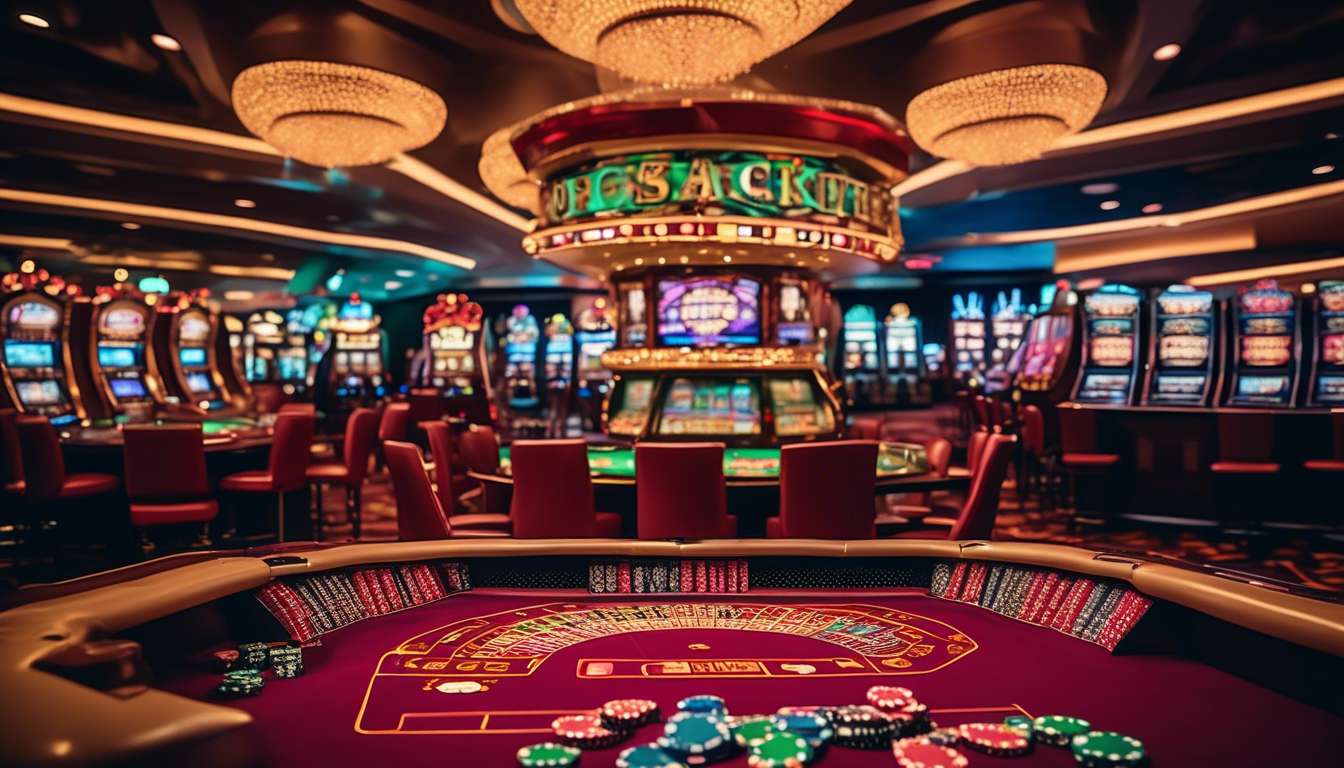
Casino environments are designed to captivate and immerse players in a world of excitement and anticipation. From the bright lights and vibrant colors to the sounds of spinning reels and ringing bells, every element works together to create an atmosphere that stimulates emotions. This sensory overload is a critical aspect of player attraction, drawing individuals into a space where they feel they can escape reality and indulge in risk-taking behavior. Many players consider their options at an online casino ny to maximize their chances before they visit a physical location.

The design of casinos often employs psychological principles to enhance engagement. By using layouts that encourage exploration and providing amenities like free drinks or complimentary entertainment, casinos create a setting where players feel valued and stay longer. This strategic manipulation of the physical space is essential for keeping players entertained and engaged, ultimately influencing their behaviors and decisions.
Cognitive Biases in Gambling
Players often fall prey to cognitive biases that shape their gambling behavior. One common example is the “gambler’s fallacy,” where individuals believe that past outcomes influence future results. This can lead players to make irrational bets, thinking that a win is “due” after a string of losses. Such misconceptions can significantly impact their gambling patterns, causing them to spend more time and money than intended. Understanding these biases can be crucial for promoting a balanced approach to gaming.
Additionally, the concept of “near misses” plays a crucial role in player psychology. When players almost win—such as hitting two out of three symbols on a slot machine—they experience a surge of hope and excitement. This feeling can reinforce the desire to continue playing, creating a cycle where players chase the elusive win, often ignoring the odds stacked against them. Understanding these biases helps illuminate why many individuals struggle with gambling addiction.
The Role of Rewards and Reinforcement
Casinos leverage the principle of operant conditioning to create a rewarding experience that keeps players engaged. Variable reinforcement schedules, where players receive rewards at unpredictable intervals, heighten excitement and engagement levels. This unpredictable nature of rewards makes the experience more thrilling, as players feel compelled to continue playing in hopes of receiving the next big payout.
The psychological gratification gained from winning—even small amounts—can release dopamine in the brain, leading to feelings of pleasure and satisfaction. This biochemical response reinforces the behavior, encouraging players to return to the casino for more. The design of slot machines and other games often incorporates frequent, smaller rewards to maintain this cycle of reinforcement and keep players coming back.
The Impact of Social Interaction
Social interaction plays a significant role in the allure of casino games. Many players enjoy the communal experience of gambling, whether it’s cheering on a friend at a blackjack table or reveling in the shared excitement of a massive jackpot win. This social aspect fosters a sense of belonging and community, which can further entice players to engage more deeply with the casino environment.
Moreover, the presence of other players can influence individual behavior, encouraging riskier betting and extending playtime. The social dynamics present in casinos often lead to a phenomenon known as “social gambling,” where the enjoyment derived from interaction with others outweighs the pursuit of winnings. Such communal experiences can make gambling feel less solitary and more like a shared adventure.
Ensuring Safe and Responsible Gaming
As the exploration of casino psychology reveals various influences on player behavior, it is also crucial to address the importance of responsible gaming. Understanding the psychological factors that drive gambling behaviors can help both players and operators promote a healthier relationship with gambling. Casinos are increasingly implementing responsible gaming measures, such as self-exclusion programs and informational resources about the risks associated with gambling.
It is essential for players to be aware of their behaviors and set limits. Educational initiatives focusing on responsible gaming aim to empower players to make informed decisions. By fostering an environment of transparency and support, casinos can help mitigate the issues surrounding problem gambling while still providing an enjoyable experience for those who choose to partake in gaming activities.